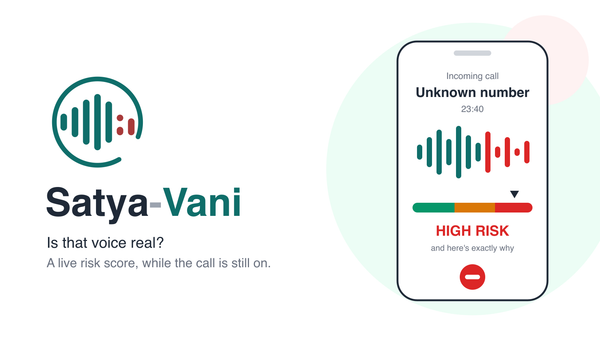
Satya-Vani: Catching a Cloned Voice While the Call Is Still On
Seven pluggable signals, one explainable 0–100 risk score that updates every half second: how I built live voice-spoof detection.
Seven pluggable signals, one explainable 0–100 risk score that updates every half second: how I built live voice-spoof detection.
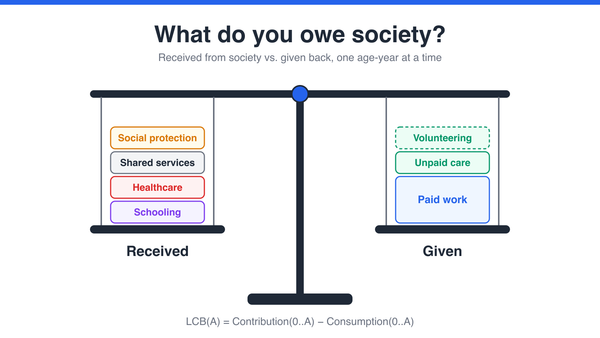
A calculator that weighs what society spent on you against what you gave back, year by year, with every assumption on show and no data kept.
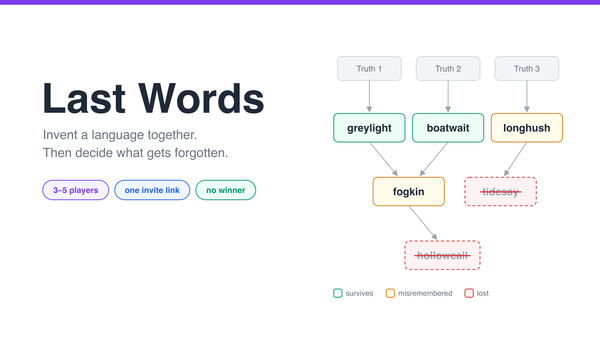
A self-hostable web app for Dialect-style games: 3–5 friends invent a cut-off community's words, then decide which ones get lost.
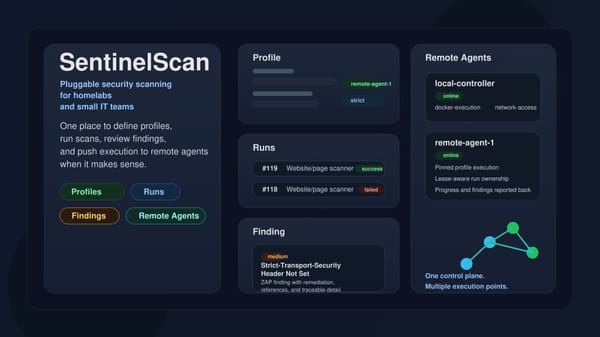
A self-hosted, pluggable security workbench that runs port, web, TLS and Docker checks in one place, so homelabs and small IT teams can scan regularly.
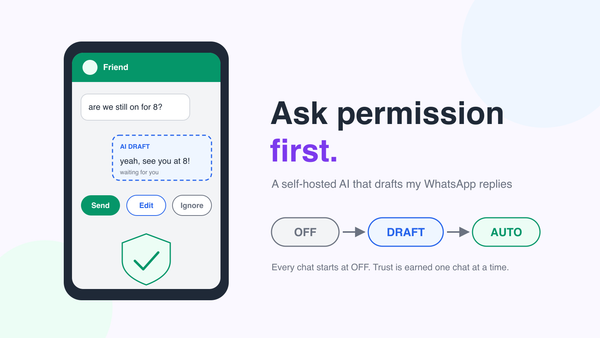
A self-hosted agent that drafts WhatsApp replies in my voice. Every chat starts OFF, trust is earned per chat, and the bot always says when it's the bot.

How I run a portfolio, blog, store and cloud storage from a palm-sized Ubuntu box with Docker Compose, Traefik, dynamic DNS and minimal port forwarding.
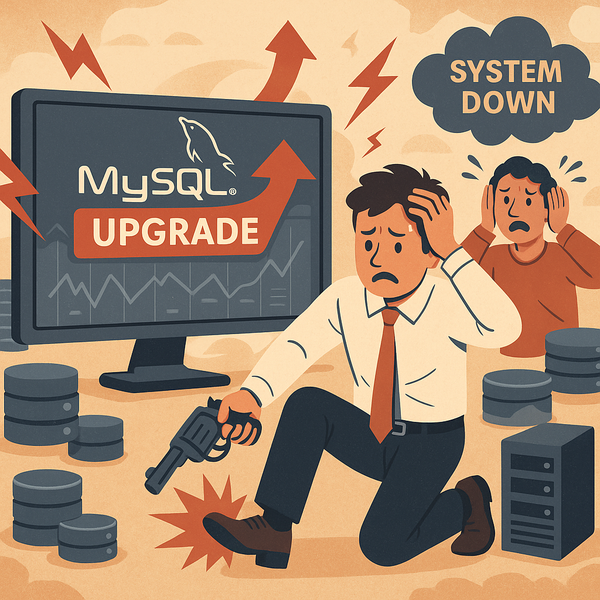
How a routine MySQL 5.7 to 8 upgrade caused a production outage, what went wrong, and the simple pre-upgrade practice that now keeps us safe.
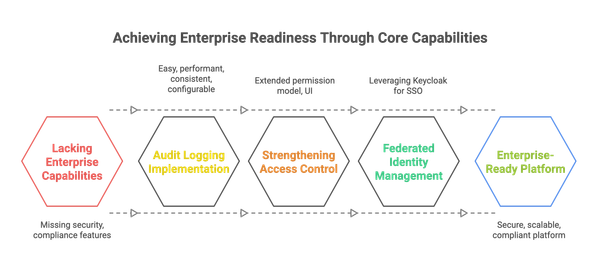
How we made an automation startup platform enterprise-ready with audit logging, stronger access control and Keycloak identity, without slowing the team.
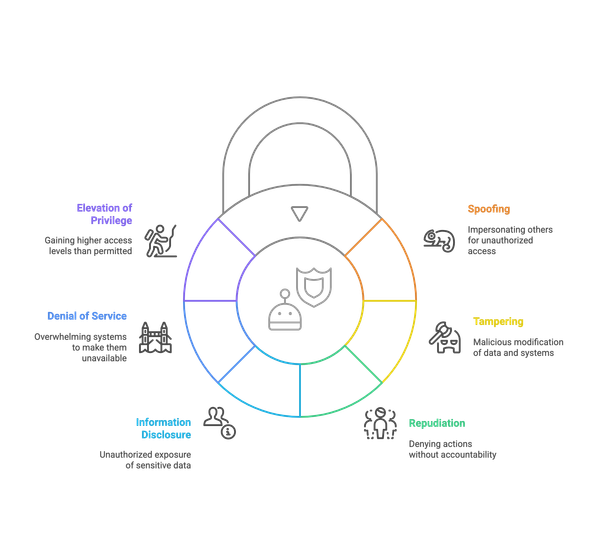
A practical guide to using the STRIDE threat model across the secure development lifecycle, with tools like Microsoft TMT and standards like ISO 27001.
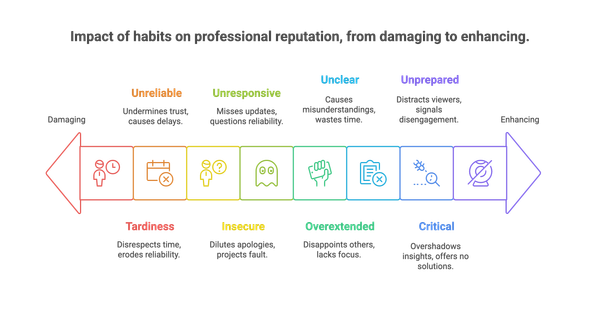
Small, silent workplace habits quietly erode how colleagues see you. Here are eight to watch for, and simple fixes you can start this week.
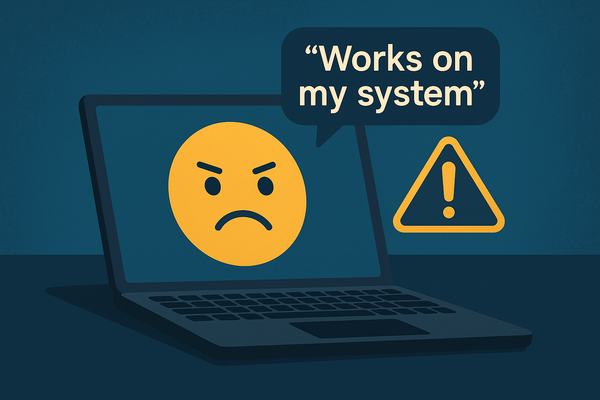
Why "works on my system" bugs happen, and the playbook we used to standardise developer environments so local, QA and production behave the same.

What the "too many open files" error really means, and a practical playbook to diagnose and fix file descriptor leaks in Node.js, Java and Python.